Hydronic Heating Systems Built for Lasting Comfort
The right hydronic heating vancouver system delivers even, radiant warmth throughout every room, eliminates cold spots, and reduces energy costs year after year. Hot water circulates through radiant floors, baseboards, and radiators, turning your building into a consistently comfortable space. At Evolve Hydronics, we help contractors and property owners across BC, Alberta, Saskatchewan, Manitoba, and Ontario, and into the US border states of Montana and Washington, select equipment matched to their building’s heat load, fuel type, and system design. Whether you need a high-efficiency gas unit for a commercial project or a compact electric setup for a residential retrofit, we supply equipment that performs reliably for decades.
What Sets Our Hydronic Heating Systems Apart
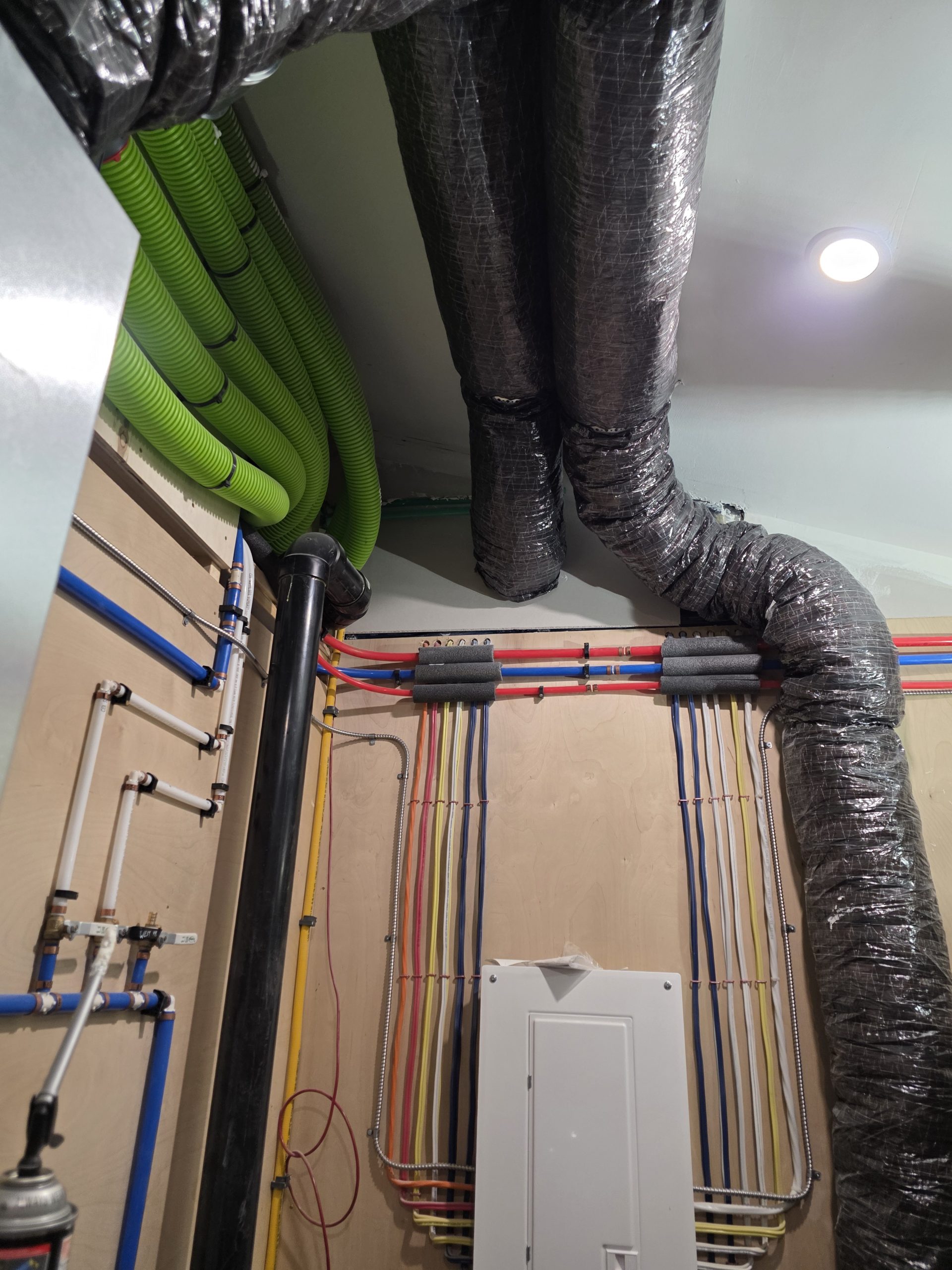
Every hydronic heating winnipeg system we supply is spec’d for your project — not pulled from a shelf and hoped for the best. We work with manufacturers whose equipment has proven out in real-world Canadian climates, from mild coastal conditions in BC to punishing prairie winters in Alberta and Saskatchewan. Our CIPH-certified team evaluates heat load, fuel type, and zone layout before making any recommendation, so what gets installed actually performs the way the building needs it to.
Get Started Today
Hydronic Heating Solutions for Every Building Type
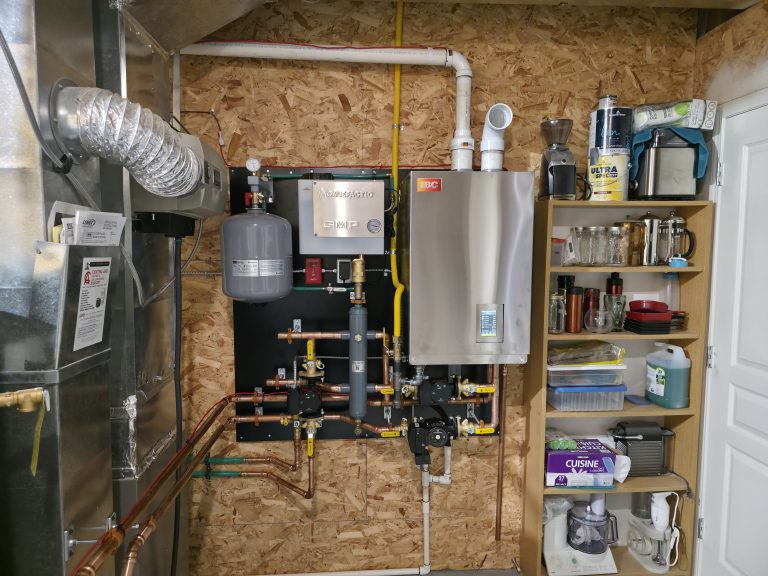
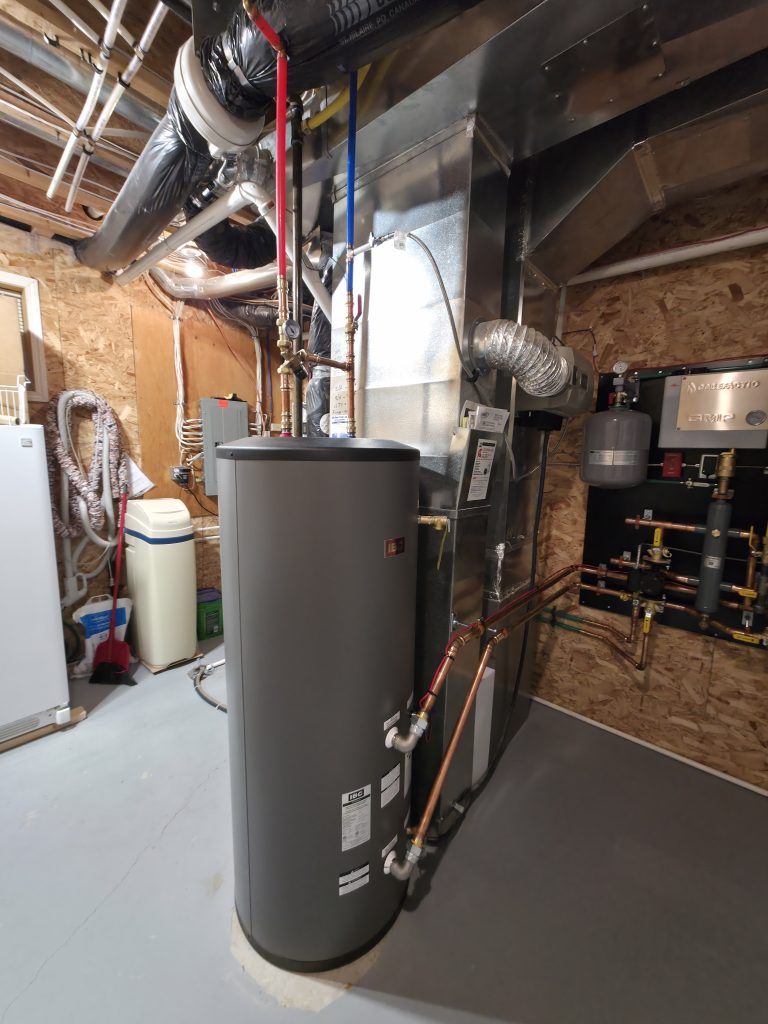
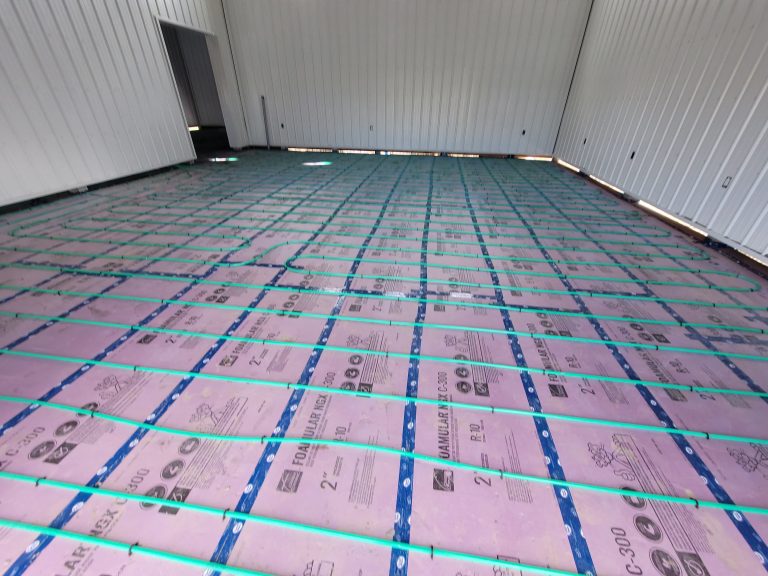
A hydronic heating system heats water to a set temperature, then a circulation pump moves that water through a network of pipes to radiators, in-floor tubing, or fan coils. The result is radiant warmth that spreads evenly through a space without the dry air, drafts, or noise associated with forced-air systems. The boiler or heat source is distinct from the distribution assembly, which manages water flow, temperature mixing, and zone control between the heat source and the emitters.Selecting the right equipment starts with understanding fuel type. Natural gas units are the most common choice across BC, Alberta, and Saskatchewan, offering lower operating costs where gas infrastructure exists. Electric systems work well in areas without gas service or where clean energy is a priority. Propane and dual-fuel options round out the choices for rural properties or off-grid builds where flexibility matters most.

What Makes Our Heating Systems Perform Better
Each fuel type carries trade-offs in upfront cost, operating expense, and installation requirements. We evaluate every option against your local utility costs and available fuel supply to find the best long-term fit.
Condensing Technology
Our boilers extract residual heat from flue gases before they exit, pushing efficiency beyond what standard combustion alone can achieve. This directly lowers your fuel consumption each billing cycle.
Variable Output Control
Instead of cycling on and off at full capacity, our systems scale output to match actual demand. This steady operation reduces mechanical stress, noise, and unnecessary fuel burn throughout the day.
Load-Based Sizing
Oversized equipment short-cycles and wastes fuel. Undersized units struggle in peak conditions. We calculate the correct output for your specific floor area, insulation values, and climate zone before recommending anything.
Closed-Loop Water Systems
Hydronic distribution moves heat more efficiently than forced air. Our closed-loop designs minimise heat loss between the boiler and emitters, keeping energy where it belongs — inside your building.
Multi-Zone Distribution
Separate zones let you heat occupied areas without wasting energy on empty spaces. We design distribution layouts that match how your building is actually used, hour by hour.
Corrosion-Resistant Build
Heat exchangers, valves, and controls are selected for long-term durability in demanding environments. Quality materials mean fewer service interruptions and a longer overall system lifespan.
Why Choose Evolve Hydronics for Your Hydronic Boilers
We do not just sell equipment off a shelf. We evaluate your project’s heat load, system design, and fuel availability to recommend the right unit for the application. Our team understands the technical details behind system selection, from combustion efficiency and venting requirements to integration with pre-built boiler panels and multi-zone distribution systems. When you work with us, you get equipment matched to your project, backed by technical knowledge and responsive support from our base in Okotoks, Alberta. We have worked on everything from single-family homes in rural BC and Saskatchewan to multi-unit residential builds in Ontario and Alberta, giving our team precise insight into what works and what does not in real-world cold-climate conditions.
Cold-Climate Experience
We have worked on hydronic heating calgary projects across BC, Alberta, Saskatchewan, Manitoba, and Ontario, and into the border states of Montana and Washington — climates where a properly sized, correctly built hydronic system isn’t optional, it’s essential. That firsthand experience shapes every recommendation we make, from fuel choice to system capacity.
Trade-First Approach
Contractors and mechanical engineers get direct access to our technical team. We provide sizing support, specification assistance, and product selection guidance so your project moves forward without delays.
System-Wide Compatibility
We match every unit to your existing piping layout, panel configuration, and heat emitters. A boiler that doesn’t integrate cleanly adds cost and complexity on installation day — we prevent that from the start.
Standards-Compliant Equipment
Every unit we supply meets Canadian safety and efficiency certification requirements. You get documented compliance and strong manufacturer warranty backing, giving your clients confidence in what gets installed.
Reliable Order Fulfilment
We maintain stock on common models and cultivate supplier relationships that support fast turnaround. Whether your job is local or remote, we keep your project timeline on track from the supply side.
Project-Proven Knowledge
Our recommendations come from installations we have actually supported — not manufacturer data sheets alone. That real-world exposure tells us what performs under load, what holds up over winters, and what to avoid.
Frequently Asked Questions
How does hydronic heating work?
Hydronic heating uses a boiler to heat water, which is then circulated through pipes to radiators, baseboard units, or in-floor tubing. The heat radiates from these surfaces into the room, providing consistent and even warmth throughout the space.
Is hydronic heating more efficient than forced-air systems?
Hydronic systems are generally more energy-efficient because water transfers heat more effectively than air, reducing the energy needed to maintain comfortable temperatures. Many homeowners also notice lower heating bills after switching from a forced-air system to hydronic radiant heat.
How long does a hydronic heating system installation take?
Installation timelines vary depending on the size of the property and the type of system being installed. A standard residential hydronic system typically takes between three and seven days to complete, while larger commercial projects may require additional time.
What maintenance does a hydronic heating system require?
Annual servicing is recommended to inspect the boiler, check fluid levels, bleed radiators of trapped air, and test pressure levels. Keeping up with routine maintenance helps the system run efficiently and extends the life of the equipment.
Can hydronic heating be added to an existing home?
Yes, hydronic heating can be retrofitted into existing homes, though the complexity depends on the current layout and construction type. A technician will assess your home to recommend the most practical approach, whether that involves baseboard radiators, wall panels, or in-floor installation.